
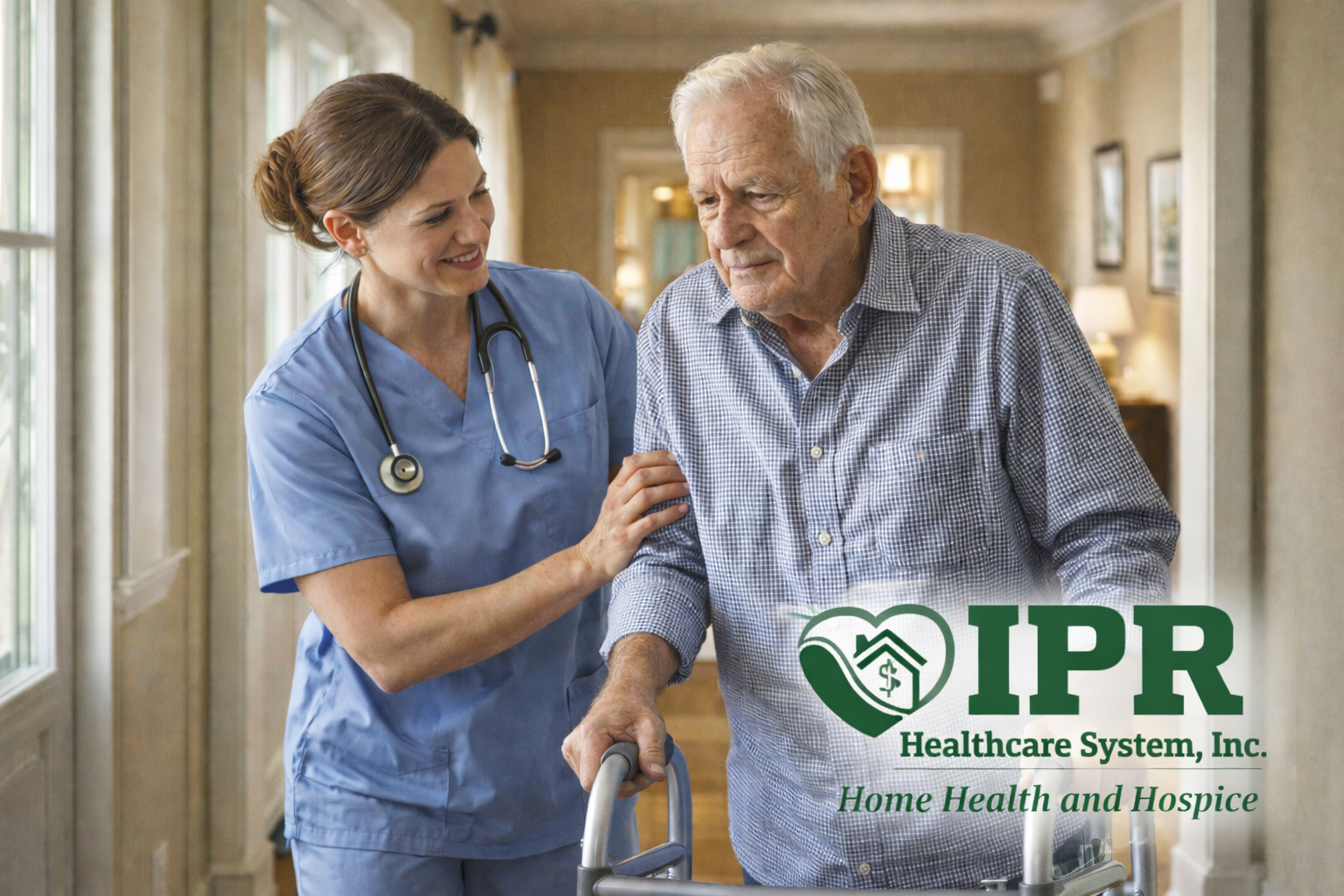
A home health nurse assessment does more than check vital signs. In Houston, skilled nursing at home focuses on identifying early warning signs, preventing complications, and reducing hospital readmissions. When families understand what a home health nurse assesses during each visit, they can participate confidently in recovery.
Many people assume a home health visit is simple. However, each visit follows a structured clinical process. The nurse evaluates stability, monitors risk factors, and reinforces the care plan.
What Is a Home Health Nurse Assessment
A home health nurse assessment is a detailed evaluation performed during every skilled nursing visit. The nurse actively examines the patient’s condition to determine whether recovery is progressing as expected.
First, the nurse observes alertness, breathing effort, posture, and overall appearance. Then the nurse compares those findings to previous visits. Because small changes often signal larger problems, early detection remains critical.
How a Home Health Nurse Assessment Prevents Hospital Readmissions
Hospital readmissions rarely happen without warning. Instead, symptoms usually develop gradually.
For example, a heart failure patient may gain weight due to fluid retention. Similarly, a COPD patient may show slightly lower oxygen levels before breathing becomes difficult. In addition, a mild fever after surgery may signal infection.
When the nurse identifies these changes early, the physician can adjust treatment quickly. As a result, many complications are managed at home instead of in the hospital.
Vital Signs Are Interpreted With Clinical Judgment
During each visit, the nurse measures blood pressure, heart rate, respiratory rate, oxygen saturation, temperature, and sometimes weight. However, the nurse does not simply record numbers.
The nurse evaluates patterns and trends. For instance, a gradual rise in blood pressure may require medication review. Likewise, a drop in oxygen levels combined with fatigue may indicate respiratory decline.
Therefore, vital signs guide clinical decisions rather than serve as routine documentation.
Medication Review Strengthens Patient Safety
Medication errors frequently cause hospital readmissions. For this reason, medication reconciliation plays a central role in every home health nurse assessment.
The nurse confirms that prescriptions match discharge instructions. The nurse verifies dosing and timing. The nurse removes discontinued medications and checks for side effects.
Meanwhile, families monitor symptoms between visits. If dizziness, confusion, swelling, or unusual fatigue appears, they should contact the nurse promptly.
Cardiac and Respiratory Function Are Closely Monitored
Patients with heart or lung conditions require focused evaluation. The nurse checks for swelling, shortness of breath, chest discomfort, and irregular heartbeat. In addition, the nurse listens to lung sounds and reviews oxygen use.
Because breathing changes often develop slowly, early recognition prevents emergencies.
Wound and Skin Integrity Require Ongoing Evaluation
If the patient has a surgical wound or pressure injury, the nurse measures size, drainage, and surrounding skin condition. The nurse also looks for redness, warmth, or unusual odor.
Early wound management prevents infection. Consequently, consistent assessment improves healing outcomes.
Mobility and Fall Risk Must Be Reassessed
Hospital stays frequently weaken patients. As a result, balance and strength may decline.
The nurse evaluates gait, assistive device use, and environmental safety. Furthermore, the nurse reinforces fall prevention strategies.
Reducing fall risk significantly lowers the chance of hospital readmission.
Mental Status Changes Signal Underlying Problems
Changes in thinking or behavior often indicate medical concerns. Increased confusion, unusual sleepiness, or mood shifts may point to infection, dehydration, or medication reaction.
Because family members spend the most time with the patient, they often notice these signs first. Therefore, clear communication with the nurse remains essential.
Why Skilled Nursing at Home Matters in Houston
A home health nurse assessment is a proactive safety strategy. It identifies risk early, strengthens treatment plans, and supports stable recovery at home.
IPR Healthcare provides skilled nursing services throughout the Greater Houston area with a focus on prevention, education, and coordinated care.
If your loved one recently left the hospital or manages a chronic condition, skilled nursing at home can reduce complications and prevent avoidable hospital visits.
Call IPR Healthcare at 713 592 6776 to learn more.
Connect with IPR Healthcare:
Facebook
https://www.facebook.com/iprhealthcaretx/